





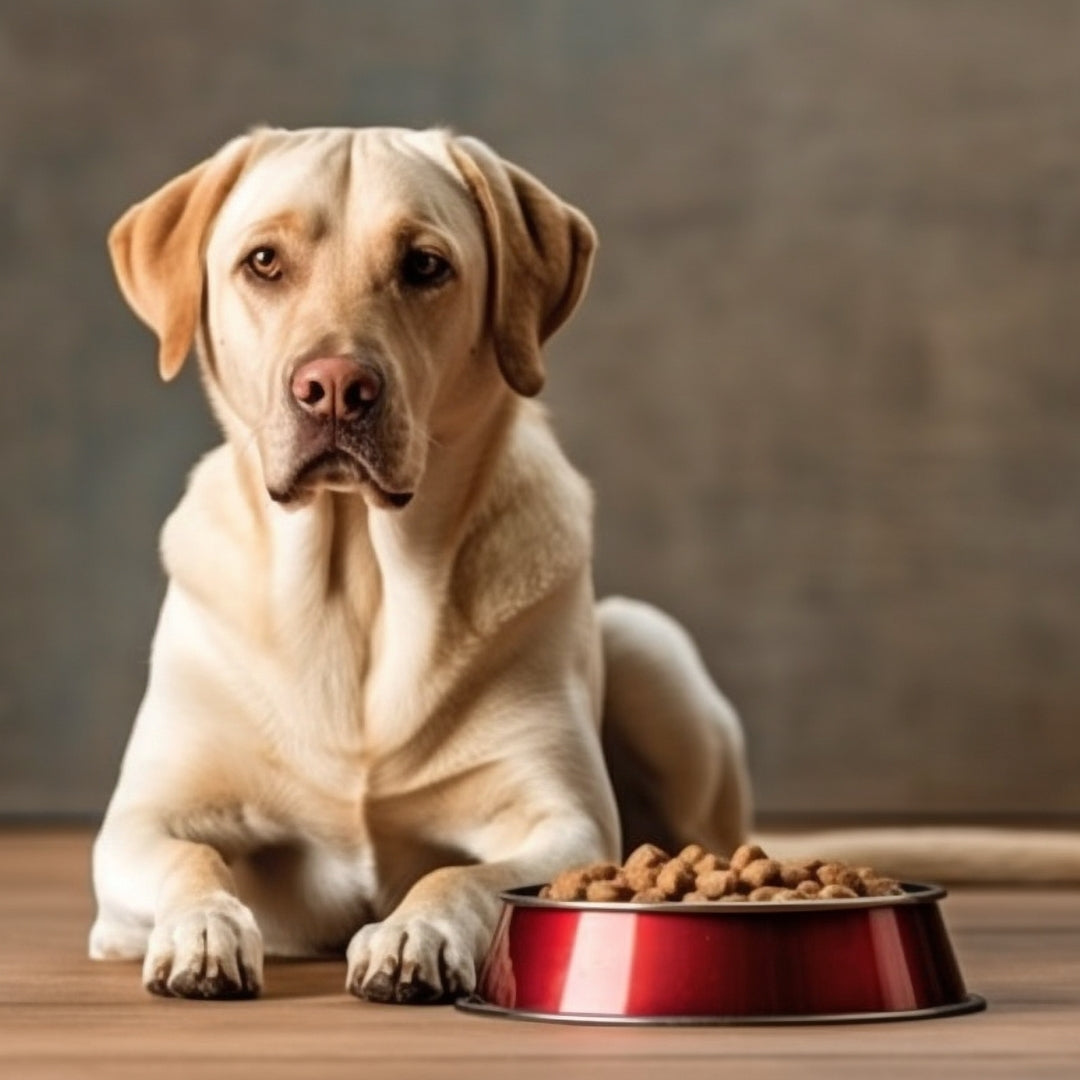
As responsible dog owners, ensuring the well-being of our four-legged companions includes being vigilant about their diet. While dogs may be curious and eager to sample various foods, it's crucial to know which human foods can be harmful or even toxic to them. Let's explore a list of foods to avoid to keep your beloved pup safe and healthy.

Foods to Avoid
-
Chocolate: Chocolate contains theobromine and caffeine, which are toxic to dogs and can cause symptoms ranging from vomiting and diarrhea to seizures and even death.
-
Grapes and Raisins: Grapes and raisins can lead to kidney failure in dogs, causing symptoms like vomiting, lethargy, and loss of appetite.
-
Onions and Garlic: Onions and garlic contain compounds that can damage a dog's red blood cells, leading to anemia and other health issues.
-
Xylitol: Found in sugar-free gum, candies, and some baked goods, xylitol can cause a rapid release of insulin in dogs, resulting in dangerously low blood sugar levels.
-
Avocado: Avocado contains a substance called persin, which can be toxic to dogs and lead to symptoms like vomiting, diarrhea, and difficulty breathing.
-
Alcohol: Even small amounts of alcohol can lead to alcohol poisoning in dogs, causing symptoms like vomiting, lethargy, and coordination issues.
-
Caffeine: Similar to chocolate, caffeine can lead to symptoms ranging from restlessness and rapid breathing to seizures and cardiac arrest in dogs. Our Coffee Chewers are caffeine-free!
-
Bones and Fat Trimmings: Cooked bones can splinter and cause internal injuries, while fatty foods can lead to pancreatitis, a painful and potentially serious condition.

Tips for Safe Feeding
- Consult Your Vet: Always consult your veterinarian before introducing any new foods to your dog's diet.
- Stick to Dog-Friendly Treats: Opt for dog-friendly treats and avoid sharing your own snacks, especially if they contain harmful ingredients.
- Read Labels: Check food labels for hidden ingredients that might be harmful to dogs.
- Secure Garbage: Ensure that garbage bins are secured to prevent dogs from accessing harmful foods.
Emergency Actions
If you suspect your dog has ingested a harmful food, contact your veterinarian immediately. In case of emergency, you can also reach out to a pet poison hotline for guidance.

Protecting your dog from harmful foods is an essential part of responsible pet ownership. By being knowledgeable about what foods are unsafe and taking preventive measures, you can ensure your furry friend enjoys a healthy and happy life, free from the risks posed by certain human foods.

Leave a comment
All comments are moderated before being published.
This site is protected by hCaptcha and the hCaptcha Privacy Policy and Terms of Service apply.